Fort Myers General Ledger Guide for Small Business Owners
Receipts can pile up fast, but they do not tell the whole story. A solid Fort Myers general ledger does, because it shows each sale, expense, payment, and owner draw in one place.
That matters when you want cleaner books, faster tax prep, or a loan application that does not stall. It also helps you catch errors before they turn into month-end headaches.
If your books feel scattered, the fix is simpler than it sounds. Start with the right accounts, then record each transaction the same way every time.
Why the general ledger matters more than a pile of receipts
A general ledger is the main record of your business activity. Think of it as the spine of your books. Every invoice, deposit, bill, and payroll run should end up there.
For a small business owner, that means less guesswork. You can see what came in, what went out, and what is still owed. That matters in Fort Myers, where many owners juggle seasonal sales, service work, and local tax deadlines.
If you are setting up books for the first time, accounting system setup helps you build the chart of accounts before the numbers start piling up. A good setup makes later cleanup much easier.
The IRS also expects your records to clearly show income, deductions, and credits. Its recordkeeping rules for small businesses explain the basic standard in plain language.
What should live in the ledger
A clean ledger does not need to be fancy. It needs to be complete. Start with the accounts that match how your business really works.
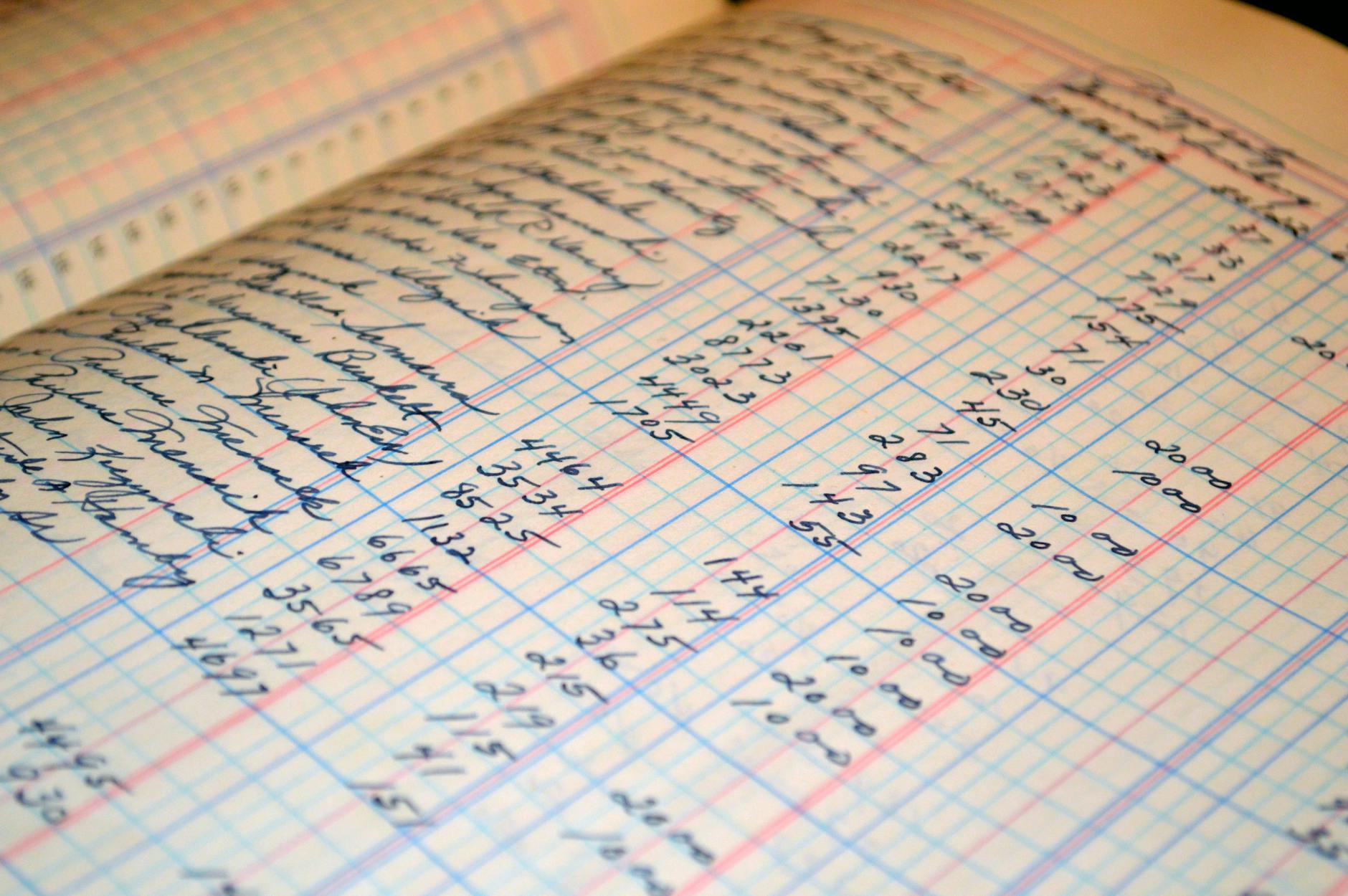
Photo by Pixabay
Most small businesses track a few common buckets:
- Sales revenue
- Office supplies
- Rent and utilities
- Payroll and contractor pay
- Sales tax payable
- Loan payments
- Owner draws
You do not need 40 accounts on day one. You need enough detail to read the story of the business. If your ledger is too broad, you cannot see where money leaks out. If it is too crowded, you will spend too much time sorting tiny details.
If it is not documented near the time it happens, it gets harder to defend later.
That is why receipts, invoices, bank statements, and payroll reports should sit behind every entry.
A simple process for recording each transaction
Use the same routine every time. That keeps your books steady and saves cleanup later.
- Record the transaction as soon as you can. The IRS says records work best when they are made near the time of the event.
- Pick the right account. A lunch with a client is not the same as office supplies.
- Add a short note. Write the customer name, vendor, or reason for the purchase.
- Attach the source document. Save the receipt, invoice, or bank image.
- Reconcile the bank account each month. Match the ledger to real activity, not memory.
The IRS page on how to record business transactions is a helpful reference if you want the basic structure in one place.
The goal is not perfection. The goal is a record that makes sense a month later, or a year later.
Simple ledger entries you can copy
Here is a basic example of how everyday entries work. A ledger entry always has a debit side and a credit side, and the totals should balance.

| Transaction | Debit | Credit | Why it matters |
|---|---|---|---|
| Client pays a $2,000 invoice | Cash $2,000 | Service revenue $2,000 | Shows income right away |
| You buy $120 of supplies | Office supplies $120 | Cash $120 | Keeps the expense in the right bucket |
| Owner takes a $500 draw | Owner's draw $500 | Cash $500 | Separates personal withdrawals from business expenses |
These examples are simple on purpose. Once the pattern is clear, the rest gets easier. If you ever need general ledger maintenance, cleanup can bring old entries back in line with your bank records.
Monthly habits that keep your books trustworthy
A ledger stays useful when you review it often. Wait too long, and small errors turn into a bigger mess.
A few habits make a real difference:
- Match every bank deposit to a sale, transfer, or loan payment.
- Save receipts in one folder, paper or digital.
- Check payroll, sales tax, and contractor payments against your books.
- Review your profit and loss report and your balance sheet each month.
If you want a better sense of how those reports connect, the small business balance sheet guide is a helpful next read.
This is also where many owners see the value of a monthly cleanup. A little review now beats a long catch-up later.
Fort Myers and Florida compliance checks
Federal recordkeeping is the base line, but Florida owners also deal with state and local paperwork. Sales tax, reemployment tax, annual reports, and local business tax receipts all depend on clear books.
The IRS's Publication 583 on starting a business and keeping records is a solid reference if you want a bigger picture view. It explains why journals, ledgers, and supporting records matter.
Keep your business bank account separate, save mileage logs if you drive for work, and hold on to payroll records for the right period. For most income and deduction records, three years is the usual rule. Payroll records need longer.
When the ledger is current, these filings stop feeling like guesswork. You can answer questions faster, and you have a cleaner paper trail if anyone asks.
A cleaner ledger makes tax season easier
Receipts are useful, but the ledger is what turns them into a clear financial picture. When you record transactions on time, match them to bank activity, and review the numbers each month, tax prep gets easier and errors show up sooner.
If your books already feel behind, start with one clean month. A steady Fort Myers general ledger is easier to trust, and trust is what makes your records useful all year.