IRS Installment Agreement for Business Tax Debt
A business tax bill can disrupt payroll and daily cash flow, but an IRS installment agreement may let you pay an eligible balance over time. The right option depends on the amount owed, the tax type, your business structure, and whether the required returns have been filed.
IRS payment plan rules vary by tax type and business structure, and rules for individuals may not apply to businesses. Here's how to compare options, understand fees, and apply.
Key takeaways
- A short-term plan may fit if you can pay the full balance within 180 days . The IRS lists no charge for this option.
- Many business payment arrangements require you to call the IRS or respond using the number on your notice. Online eligibility is limited for businesses.
- Application costs vary by plan and method. The IRS's online rates apply only to eligible individual plans, not as a general fee for business applications.
- Interest and penalties can continue while you pay. A plan doesn't erase the debt or guarantee that the IRS won't file a tax lien.
- Payroll tax debt needs special attention. Depending on the tax and circumstances, responsible people may face liability separate from the business.
Choose the right IRS payment plan
A plan's name and eligibility depend on whether the debt belongs to an individual, a sole proprietorship, or a separate business entity. The IRS also treats some payroll tax liabilities differently from income tax debt.
Short-term payment plan
The IRS describes a short-term payment plan for balances under $100,000 in combined tax, penalties, and interest when the taxpayer can pay in full within 180 days . There's no setup fee, but penalties and interest can keep accruing until the balance reaches zero.
This 180-day period is the IRS's current guidance, rather than the 120-day limit cited in some older explanations. Businesses generally need to call the number on their notice or the IRS business line, 800-829-4933 . The online short-term option isn't a general route for businesses.
Long-term plans and partial payments
The IRS says most business taxpayers may qualify for a Simple Payment Plan, a long-term payment plan with payments over time. Terms depend on the balance, tax category, and ability to pay. IRS procedures distinguish general business cases from trust-fund payroll tax cases. The balance threshold is generally $50,000 for the business plan and $25,000 for trust-fund cases.
If you can't pay the full amount during the collection period, the IRS may consider a partial payment installment agreement . Expect a financial review. The IRS will assess what you can afford and how much time remains to collect the debt. The collection statute expiration date varies by assessment, and some events can suspend or extend the statute of limitations on collection.
An Offer in Compromise is a possible tax relief settlement, not an installment arrangement. Eligibility depends on the taxpayer's circumstances.
A guaranteed installment agreement is a separate option for individuals with qualifying income-tax debt, not a general business program. It applies to tax of $10,000 or less, excluding penalties and interest, and requires payment within three years or before the collection period expires. Applicants must also meet filing and payment compliance rules for the previous five tax years.
Compare IRS installment agreement fees
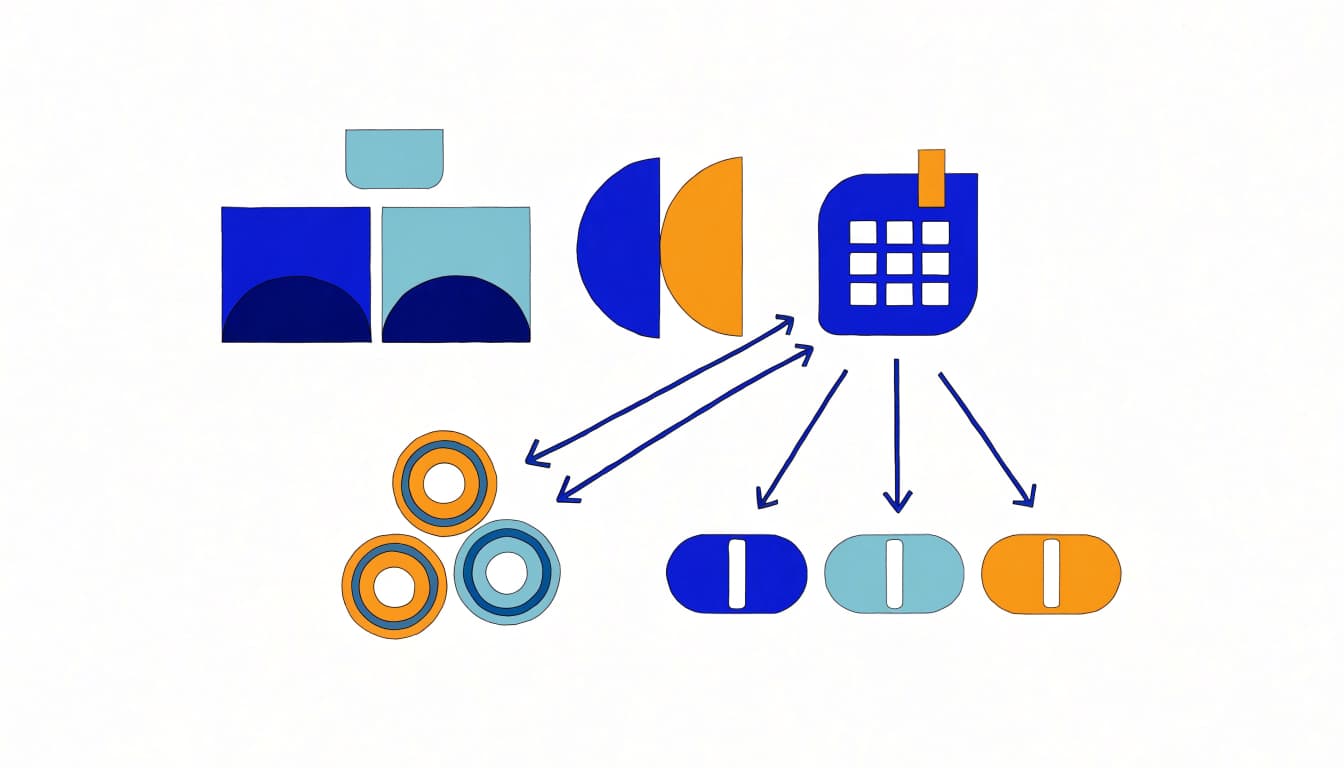
The IRS user fee depends on the plan and application method. Online fees below apply to eligible individual plans, not businesses generally.
| Plan or application method | Direct debit | No direct debit |
|---|---|---|
| Short-term plan | $0 setup fee | $0 setup fee |
| Long-term plan, online | $22 | $69 |
| Long-term plan, phone, mail, or in person | $107 | $178 |
Low-income fee relief
A low-income taxpayer may qualify for a waived or reduced fee. The IRS generally bases eligibility on adjusted gross income at or below 250% of the applicable federal poverty guideline. Submit Form 13844 to request relief.
For qualifying taxpayers, the IRS waives the direct-debit setup fee. The fee without direct debit is $43, and some taxpayers may receive reimbursement after completing the agreement and meeting IRS conditions.
Apply for a business installment agreement
Before applying, identify the business entity, tax type, tax periods, and balance. File all required returns and bring tax payments or deposits up to date where applicable. Corporate income tax, employment tax, and a sole proprietor's individual income tax can follow different procedures.
Choose the application route
Individuals who owe $50,000 or less in combined tax, penalties, and interest may qualify for a streamlined installment agreement through the IRS Online Payment Agreement application. Sole proprietors and independent contractors generally apply as individuals for qualifying income-tax debt. This option generally doesn't apply to corporations or partnerships. The online system processes eligible requests and returns a decision.
Eligible individuals can use Direct Pay for certain current tax payments. Businesses can use EFTPS for federal tax deposits and payments. These tools don't replace an installment agreement application.
A business with payroll tax debt may have a narrower online option if assessed payroll taxes, penalties, and interest total $25,000 or less for the current and prior calendar year. For help, the IRS payment plan phone number depends on the account type: businesses can call 800-829-4933 or the number on an IRS notice. Individuals can call 800-829-1040 .
Submit the forms and financial details
Form 9465, Installment Agreement Request , is the paper request form. The IRS provides instructions on its Form 9465 information page. Depending on the case, the IRS may request a financial disclosure, Form 433-F , Form 433-B, or other supporting details.
The IRS doesn't require every business owing more than $50,000 to submit the same financial form. Follow the form and documentation requirements for your tax type and case. If the balance involves payroll withholding, review the business's payroll tax deposit and Form 941 requirements alongside the payment plan request.
Understand penalties, interest, and levy limits
A payment plan makes the balance more manageable, but it doesn't stop the cost of unpaid tax. Interest and applicable late-payment penalties generally continue until the debt is paid in full.
The failure-to-pay penalty is generally 0.5% per month. Certain individuals who filed on time may qualify for a 0.25% monthly rate while an approved installment agreement is active. That reduced rate shouldn't be assumed to apply to every business tax type. The IRS payment plan guidance outlines current terms and charges.
While a request is pending or an agreement is active, the IRS is generally restricted from levying wages or bank accounts, with exceptions. A pending request doesn't resolve an existing levy automatically, so respond promptly to any notice with a deadline.
Know when the IRS may file a tax lien
A Notice of Federal Tax Lien is a public notice of the government's legal claim to a taxpayer's property. Having an installment agreement doesn't guarantee the IRS won't file one. A balance below $25,000 also doesn't automatically prevent a lien.
Some taxpayers may qualify to request withdrawal of a lien using Form 12277 after at least three consecutive electronic direct-debit payments have processed. Other conditions apply, including requirements for the payment term and collection period. Three payments alone don't guarantee withdrawal.
Business structure matters. A corporation or partnership may owe the business tax, while responsible people can face separate liability for certain unpaid trust-fund payroll taxes. Owners facing potential responsible-person liability, threatened collection action, or uncertainty about how entity structure affects liability may need case-specific tax advice. This article provides general guidance, not individualized tax or legal advice.
Handle changes, rejection, or default
Keep making payments as agreed unless the IRS approves a change. If cash flow shifts, contact the IRS before missing a due date and be ready to explain the change in your finances.
Change a payment or respond to rejection
Eligible individuals may be able to change payment details through their online account. Businesses can call 800-829-4933 or the number on the notice to request a change. The IRS may require updated financial information before changing the amount or due date.
If the IRS rejects the request, you can appeal within 30 days using Form 9423, Collection Appeal Request . A timely appeal generally restricts levy action while it's pending, subject to exceptions. The IRS may ask for additional records or a different payment proposal.
Missed payments and default
A missed payment or a new unpaid tax bill may lead the IRS to terminate the agreement. The IRS may then resume collection, including seizure of bank funds, wage garnishment, or seizure of property.
Contact the IRS promptly if you miss a payment. Reinstatement may require an explanation, payment of the missed amount, or a fresh review of your finances. Don't assume the old schedule remains in force after a termination notice.
Frequently asked questions
How do I set up a plan online if I owe less than $50,000?
The $50,000 online threshold applies to eligible individuals with combined tax, penalties, and interest. Sole proprietors may qualify for an individual income-tax balance. It is not a general online threshold for corporations or partnerships. Eligible businesses with certain payroll tax balances may have a separate, narrower online route.
What happens to penalties and interest while I make payments?
Interest and applicable penalties continue to accrue until the balance is paid. Some individuals who filed on time may qualify for a lower failure-to-pay penalty while their agreement is active. The applicable rate depends on the tax and circumstances.
What if I can't pay the agreed amount next month?
Contact the IRS before the next payment date and ask to revise the plan. The IRS may review your current finances. If you stop paying without an approved change, the agreement can default and collection may resume.
Set a payment plan you can maintain
Choose a plan that fits the tax debt, business structure, and cash flow. Set monthly payments the business can sustain while staying current on future filings and tax obligations. Confirm which tax periods are included, understand the continuing cost of interest and penalties, and keep records of every payment and IRS communication.